

Overview
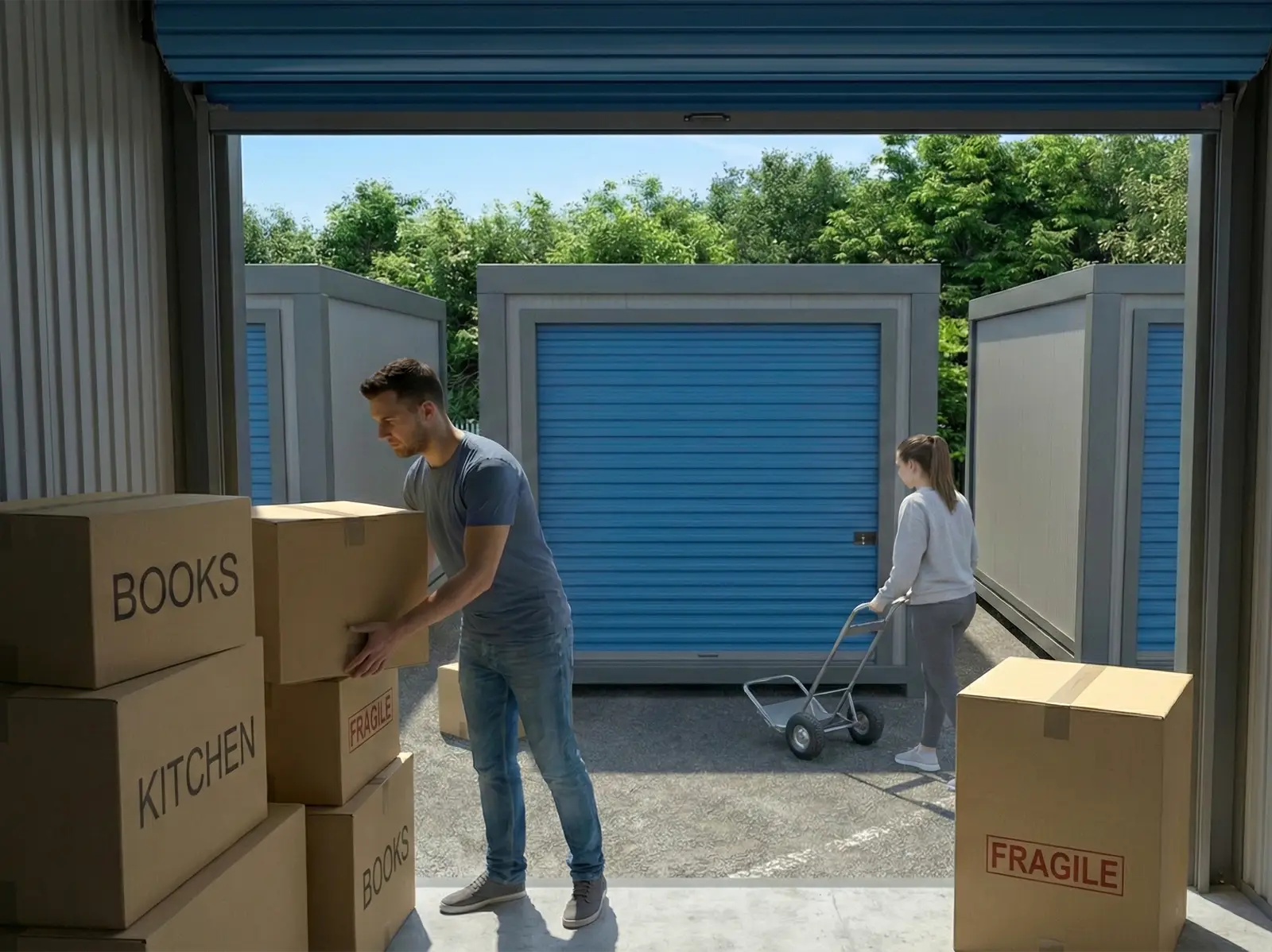
Packing Strongholds storage units effectively depends on planning, layout, and understanding how drive up self storage is used. Items should be grouped by access frequency, weight, and fragility, with heavier items placed at ground level and clear access paths maintained inside the unit. Strongholds storage units are designed for direct vehicle access, which supports structured loading and efficient internal organisation.
Local context:
Strongholds storage units are typically located on high-visibility sites and are used by both household and business customers across the UK. Drive up access supports loading directly from vehicles, which influences how users plan packing and layout compared to indoor self storage.
This guide explains how to pack a storage unit when using drive up self storage units such as Strongholds.
Steps on how to pack a storage unit to save you time, protect your belongings, and maximise space.
Plan Ahead
Sort items by usage, type, and fragility. Take photos and create a digital inventory.
Choose the Right Unit
Pick a size that fits your needs and consider suitability for sensitive items.
Use Proper Materials
Heavy-duty boxes, plastic bins, moisture-resistant containers, and padding such as towels or bubble wrap.
Pack Smart
Disassemble furniture, stack heavy items on the bottom, and wrap fragile items carefully.
Organise for Easy Access
Use shelving, leave walkways, and label boxes clearly.
1. Before You Pack: Getting Ready
Planning ahead can improve storage efficiency and help protect belongings from damage. This is especially important when using Strongholds storage units (drive up self storage units), where layout decisions directly affect access.
Make a Storage Plan
Start by sorting items into categories:
Access frequency
Items needed often should be placed near the front of the unit.
Item type
Group similar items together such as furniture, tools, or electronics.
Fragility level
Separate delicate items from heavier, more durable goods.
Taking photos and creating a simple digital inventory helps track what is stored and where.
Pick the Right Unit Size
Choosing a unit that suits the volume and type of items being stored helps avoid inefficient packing. Drive up access allows items to be placed directly where they will remain, reducing unnecessary movement later.
Leave sufficient internal walkways for access and safe handling.
Get Your Packing Materials
Using appropriate materials helps protect stored items:
- Heavy-duty boxes for heavier goods
- Plastic bins for items needing extra protection
- Soft padding such as towels or blankets
- Clear labelling on multiple sides of each box
2. Packing Methods for Safety and Space
Take Apart Large Items
Disassembling furniture helps reduce wasted space and allows flatter stacking. Keep fixings in labelled bags and attach them to the relevant item.
Pack Heavy to Light
Place heavier items at floor level, with progressively lighter items stacked above. This approach suits ground-level drive up storage and helps maintain stability.
Wrap Delicate Items
Fragile items should be wrapped individually and stored upright where possible. Grouping similar fragile items together helps with later access.
3. Storage Unit Layout Tips
Plan Your Space
Divide the unit into zones based on how often items will be accessed. Frequently used items belong near the front, while long-term storage items can be placed further inside.
Use Height Wisely
Vertical stacking and shelving help maximise usable space. Keep heavier items lower and lighter items higher.
Keep Paths Clear
Clear access paths reduce the need to move multiple items when retrieving stored goods. Even a narrow walkway can significantly improve usability.
4. Storage Tips by Item Type
Furniture Storage
Clean furniture before storage. Wooden items should be stored off the floor where possible. Upholstered furniture benefits from breathable coverings rather than sealed wrapping.
Seasonal Items
Seasonal goods should be grouped and clearly labelled. Storing them together makes rotation easier.
Tools and Equipment
Tools should be cleaned before storage and grouped by type. Strongholds is used for both household and business storage, including tools and stock.
5. Keep Your Unit Safe and Organised
Regular checks help ensure items remain in good condition and that layouts still suit access needs. Periodic reorganisation may be useful if storage requirements change over time.
Frequently Asked Questions On How to Pack a Storage Unit
How should Strongholds units be packed?
Items should be grouped by use and weight, with heavier items placed at floor level and clear access paths maintained.
Does drive up access affect how storage is organised?
Yes. Drive up access allows direct placement of items, making layout planning more important.
Is shelving useful in Strongholds units?
Shelving can help organise items and make better use of vertical space.
What types of items are stored in Strongholds units?
They are used for household and business storage, including furniture, tools, and stock.
Should frequently used items be placed near the door?
Yes. This reduces handling and improves access efficiency.
Key takeaways On How to Pack a Storage Unit
- Packing should be planned around drive up access and layout
- Heavier items are best placed at ground level
- Clear internal walkways improve access over time
- Grouping items reduces unnecessary handling
Summary – how to pack a storage unit
Packing Strongholds storage units effectively relies on planning, weight distribution, and clear internal layout. Drive up access allows items to be positioned accurately and accessed with minimal handling.
- Group items by access frequency and type
- Place heavier items at ground level
- Maintain clear internal walkways
Used across UK locations.
Helpful for people searching for storage nearby.