


Overview
Modular Storage refers to a design approach where storage units are created as repeatable components that can be arranged, expanded, or adapted over time. Modular self storage supports flexibility, efficient land use, and consistent design across sites.
In Scotland, this modular approach is commonly used in towns and cities where space is limited and sites are highly visible. Urban environments benefit from storage that can adapt to changing demand while fitting alongside housing, retail, and commercial uses.
Understanding Modular Storage
Modular Storage is a term used across construction and infrastructure to describe systems built from repeatable components. In self storage, Modular Self Storage refers to storage units designed as part of a flexible system rather than a single fixed structure.
This approach allows storage sites to respond to changing needs without relying on extensive permanent construction.
Defining Modular Self Storage Systems
In a self storage context, Modular Self Storage means units are designed to work together as part of a broader system. Each unit follows a consistent form, allowing sites to be planned, adjusted, or extended over time.
Rather than being designed as one-off buildings, Modular units are created with repeatability in mind. This supports efficient layout planning and predictable use across different locations.
Why Modular Storage Is Used
Modular units are often used where flexibility is important. Demand for storage can change over time, particularly in urban areas where land use evolves.
A modular approach allows storage operators to adjust capacity without redesigning an entire site. Units can be added, repositioned, or reconfigured while maintaining a consistent overall layout.
Modular Storage in urban environments
Cities present specific challenges for storage. Sites are often constrained, highly visible, and surrounded by other uses.
Modular self storage units support these environments by allowing storage to fit within tighter footprints. Units designed as part of a modular system can be arranged to suit irregular sites and urban layouts while maintaining a coherent appearance.
This makes Modular Self Storage units suitable for town centres and mixed-use areas where design consistency matters.
How Modular Storage supports flexibility
Flexibility is one of the core reasons this storage approach is used in self storage. A modular approach allows storage capacity to change as demand shifts.
Rather than committing to a fixed structure that cannot adapt, modular design supports phased development. This approach aligns with how many urban sites are brought into use over time.
Modular Storage and long-term use
Modular Self Storage is not limited to short-term installations. In self storage, these systems are often designed for long-term use.
When units are designed with durability and consistent materials, this modular approach can support ongoing use while still offering the ability to adapt or relocate if needed in the future.
Strongholds explained
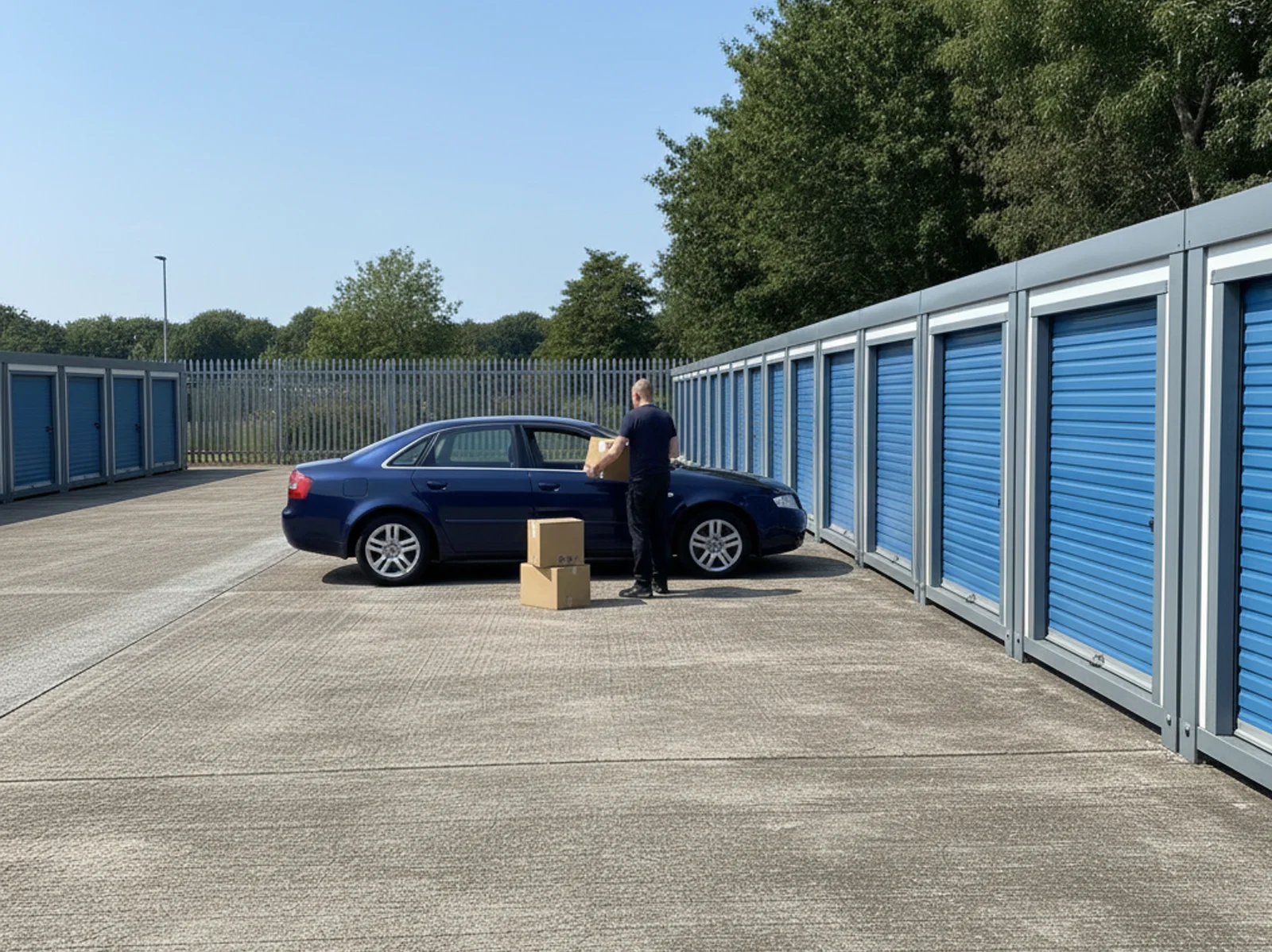
Strongholds™ (drive up self storage units) is a range of drive-up self storage units designed using a modular approach that allows sites to be planned, adapted, or extended over time. The system provides drive-up access as part of the unit design and uses aerogel insulation as standard, supporting climate-stable storage across a variety of use cases.
The system is designed to combine the appearance of a permanent building with the flexibility of modular construction. Strongholds is intended for high-visibility and design-sensitive sites such as town centres and prominent customer-facing locations, where long-term use, durability, and visual consistency are important.
How Modular Storage fits into modern storage planning
Modular Self Storage aligns with how modern sites are planned and managed. Storage that can adapt over time supports changing land use and evolving customer needs.
In this context, this modular approach is less about temporary solutions and more about long-term flexibility within a structured system.
Common Questions People Ask Strongholds About
Modular Self Storage
What does Modular Storage mean?
Modular Self Storage refers to storage designed as repeatable units that can be arranged or expanded over time.
Is Modular Storage permanent or temporary?
It can be used for long-term or adaptable storage depending on how the system is designed.
Why is Modular Self Storage used in cities?
It supports flexible layouts and efficient use of limited urban space.
Is Modular Storage the same as container storage?
No. This approach refers to system design rather than a specific unit type.
Key Takeaways
- Modular Self Storage uses repeatable units within a structured system
- It supports flexibility in changing environments
- It’s suited to urban and visible sites
- Long-term use is compatible with modular design
- It aligns with modern self storage planning
Summary
Modular Storage is a flexible design approach used in modern self storage to support adaptable layouts and long-term use. It allows storage sites to respond to changing demand without relying on fixed structures.
- Supports flexible site planning
- Suits urban and high-visibility locations
- Allows storage capacity to adapt over time
In Scotland, Modular Self Storage is commonly used in urban environments.
Storage nearby benefits from layouts designed for flexibility.